Black and Grey vs. Color Tattoos: How to Choose the Right Style
Choosing between black and grey and color is one of the first big decisions people make when planning a tattoo.
Both styles can create strong, detailed, long lasting work. One is not automatically better than the other. The right choice depends on the design, placement, subject matter, artist, and the overall look you want when the tattoo is finished.
At Electric Zombie Tattoo in Bellevue, we approach every tattoo as a custom piece. That means the style should support the design instead of being chosen just because it looks good online.
If you are trying to decide between black and grey or color, here are the biggest things to consider before booking your appointment.
What Is a Black and Grey Tattoo?
Black and grey tattoos use black ink and different levels of shading to create depth, contrast, texture, and dimension.
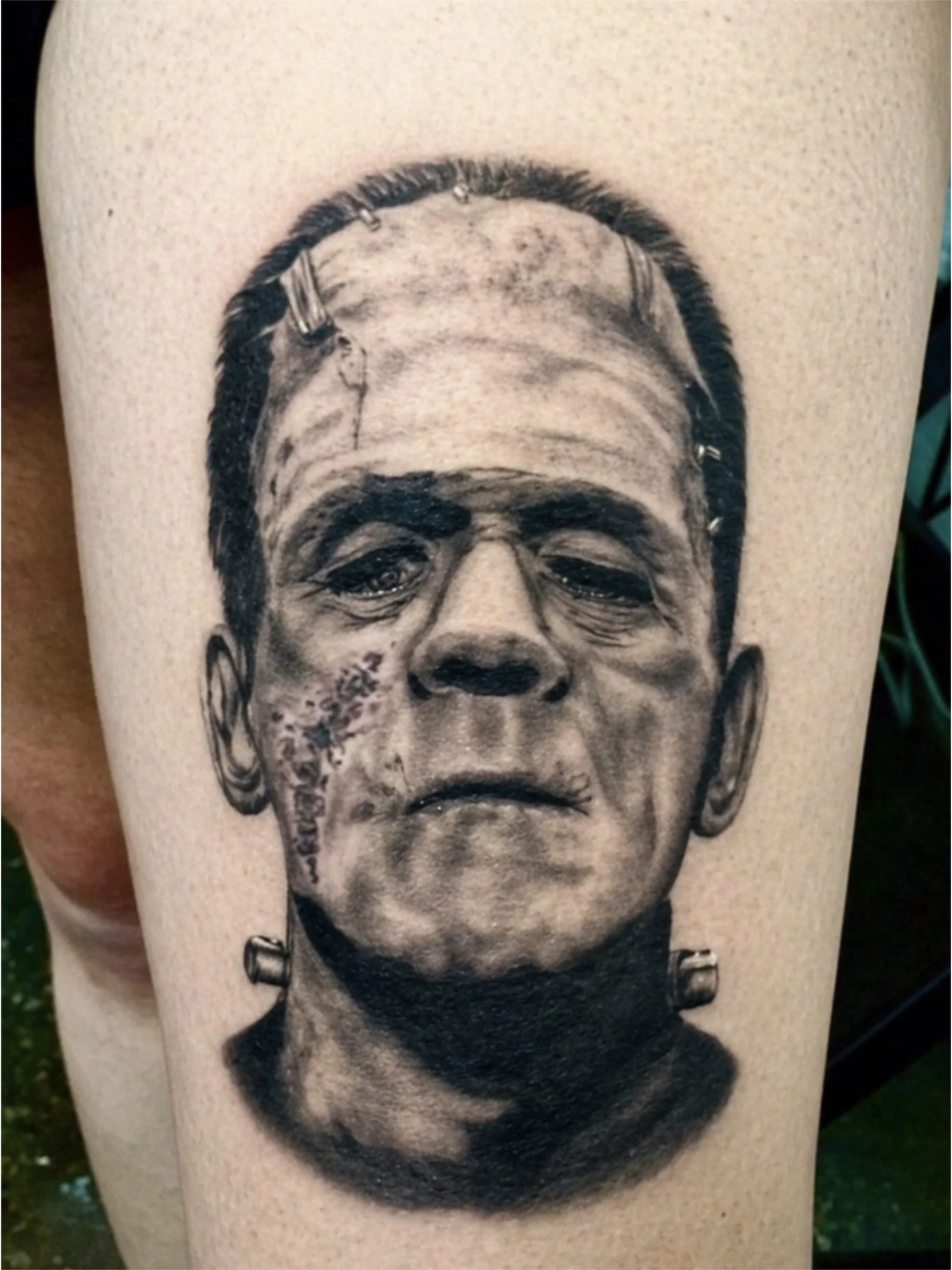
This style is often used for:
Realism
Portraits
Skulls
Horror tattoos
Animals
Statues
Religious imagery
Dark art
Large scale tattoo work
A strong black and grey tattoo is not just a color tattoo without color. It has to be designed around shadows, highlights, negative space, and contrast.
This is where black and grey really shines. It can create mood, atmosphere, and depth without needing a bright color palette. For clients who like darker, more dramatic tattoo work, black and grey is often the better fit.
If you are looking for custom black and grey work in the Omaha metro, you can view examples in our tattoo portfolio.
What Is a Color Tattoo?
Color tattoos use a broader range of pigments to bring the design to life.
This can include bright traditional colors, soft realistic tones, muted palettes, or bold illustrative color work. Color can be a great choice when the subject depends on a specific shade or visual feeling.
Color tattoos often work well for:
Flowers
Nature themes
Traditional tattoos
Neo-traditional tattoos
Illustrative designs
Pop culture pieces
Animals
Fantasy artwork
That said, more color does not automatically mean a stronger tattoo.
A good color tattoo still needs structure, contrast, and clean design. Without those things, the tattoo can lose readability over time. The strongest color tattoos are planned with balance, not just brightness.
Start With the Subject
The subject of your tattoo should help guide the style.
Some ideas naturally work better in black and grey. A skull, raven, horror portrait, statue, or dark realism piece may feel stronger without color because the focus is on shadows, texture, and mood.
Other designs may benefit from color. A floral tattoo, animal portrait, or bold illustrative piece might need color to capture the feeling you want.
Before deciding, ask yourself what you are drawn to most.
Is it the mood? The contrast? The detail? A specific color? The realism? The darkness of the piece?
The answer can help determine whether black and grey or color is the better direction.
Think About Your Existing Tattoos
If you already have tattoos, your next piece should be planned with the surrounding work in mind.
Mixing black and grey and color can work, but it should feel intentional. This matters even more if you are building a sleeve, leg sleeve, back piece, or any larger connected project.
Before adding a new tattoo, think about:
What style your current tattoos are
Whether the new tattoo will connect to existing work
If the area may become part of a larger piece later
How much contrast is already in that area
Whether the new tattoo will look balanced next to the others
This is one reason consultations are important. A tattoo does not exist by itself once it is on your body. It becomes part of the full picture.
If you are planning a bigger project, read our guide on how to plan a tattoo sleeve.
Skin Tone and Contrast Matter
Tattoo ink sits under the skin, so the same color can look different from person to person.
That does not mean certain skin tones are limited to certain tattoo styles. It means the design needs to be planned correctly. An experienced artist will consider your skin tone, contrast, placement, and how the tattoo will settle over time.
Contrast is important in both black and grey and color tattoos.
A black and grey tattoo needs enough separation between darks, mids, and highlights. A color tattoo needs colors that are strong enough to remain readable after healing.
When there is not enough contrast, details can blend together and the tattoo can look flat.
Which Style Ages Better?
Every tattoo changes over time.
A tattoo’s long term appearance depends on several things, including the artist’s application, placement, size, sun exposure, aftercare, and how your skin naturally changes.
Black and grey tattoos are often known for aging well because they rely heavily on contrast and shading. Color tattoos can also age well when they are applied properly and cared for correctly.
The biggest factor is not just black and grey vs. color. It is whether the tattoo was designed properly from the beginning.
Tattoos that are too small, too detailed, poorly placed, or exposed to years of sun without protection are more likely to lose impact over time.
For general skin care guidance, the American Academy of Dermatology has helpful information on caring for tattooed skin.
You can also read our article on how sun exposure affects your tattoo.
Does Color Hurt More Than Black and Grey?
Not always.
Pain depends more on placement, session length, shading, saturation, and your personal tolerance than the style alone.
Some color tattoos require repeated passes to build saturation. Some black and grey tattoos require long shading sessions and heavy contrast. Either one can be intense depending on the tattoo.
If pain or session length is a concern, talk about it during your consultation. Your artist can give you a better idea of what to expect based on the design and placement.
Look at the Artist’s Portfolio
The best way to choose between black and grey and color is to look at the artist’s actual work.
Pay attention to:
Consistency
Clean lines
Smooth shading
Strong contrast
Healed results
Similar subject matter
Large pieces photographed from multiple angles
Do not choose an artist just because they can technically do the style. Choose someone whose work already shows the kind of result you want.
You can explore recent work from Electric Zombie Tattoo in our portfolio.
So Which One Should You Choose?
Choose the style that fits the tattoo.
Black and grey may be the right choice if you want something dark, dramatic, realistic, or heavily focused on contrast and texture.
Color may be the right choice if the design depends on a specific palette, bright visual impact, or a more illustrative look.
The best answer usually comes from the design itself. During a consultation, your artist can help you decide which direction will work better for your idea, placement, skin, and long term goals.
Book a Consultation
If you are unsure whether your tattoo should be black and grey or color, schedule a consultation with Electric Zombie Tattoo.
We will talk through the idea, placement, size, style, and overall direction before your appointment is booked.
Start here: Book a consultation